The 5 questions marketers skip before plugging in AI
At the Business and Leadership Expo in Gaborone, Maverick Kabelo asked a room of marketers a question about their AI tools that most of them had never put to themselves.

Maverick Kabelo is a founder, speaker and civic organiser working across Botswana and South Africa. He started Digital Thread, a digital strategy and design company, in 2023. Today he runs it as Operations Manager. In addition, in February 2024 he founded The Civic Chapter, a youth-led nonprofit built around volunteerism and civic engagement. He speaks on four subjects from that work: digital strategy, AI and automation, data protection, and youth and civic leadership. Of the four, data protection is the one that brought him to the Business and Leadership Expo twice this year.
Most of the marketers he speaks to already run what passes for a modern stack. For example, ChatGPT drafts the copy. Mailchimp sends it. Canva designs it, Meta’s AI decides who sees it, and there may be a chatbot answering customers. Yet almost nobody has asked where the customer data in all of that goes, he argues. Few have asked who else can see it, either. And fewer still have checked whether any of those tools were built with Botswana’s Data Protection Act, 2024 in mind.
That was the question he took to the Main Edition of the Business and Leadership Expo on 11 September 2026. The venue was the Pavilion at the Fairground in Gaborone. The talk was titled “Balancing digital marketing innovation and AI with Botswana’s Data Protection Act, 2024”. It put the problem plainly. Are businesses building AI-driven marketing that customers can actually trust, or rather marketing that just happens to be compliant?
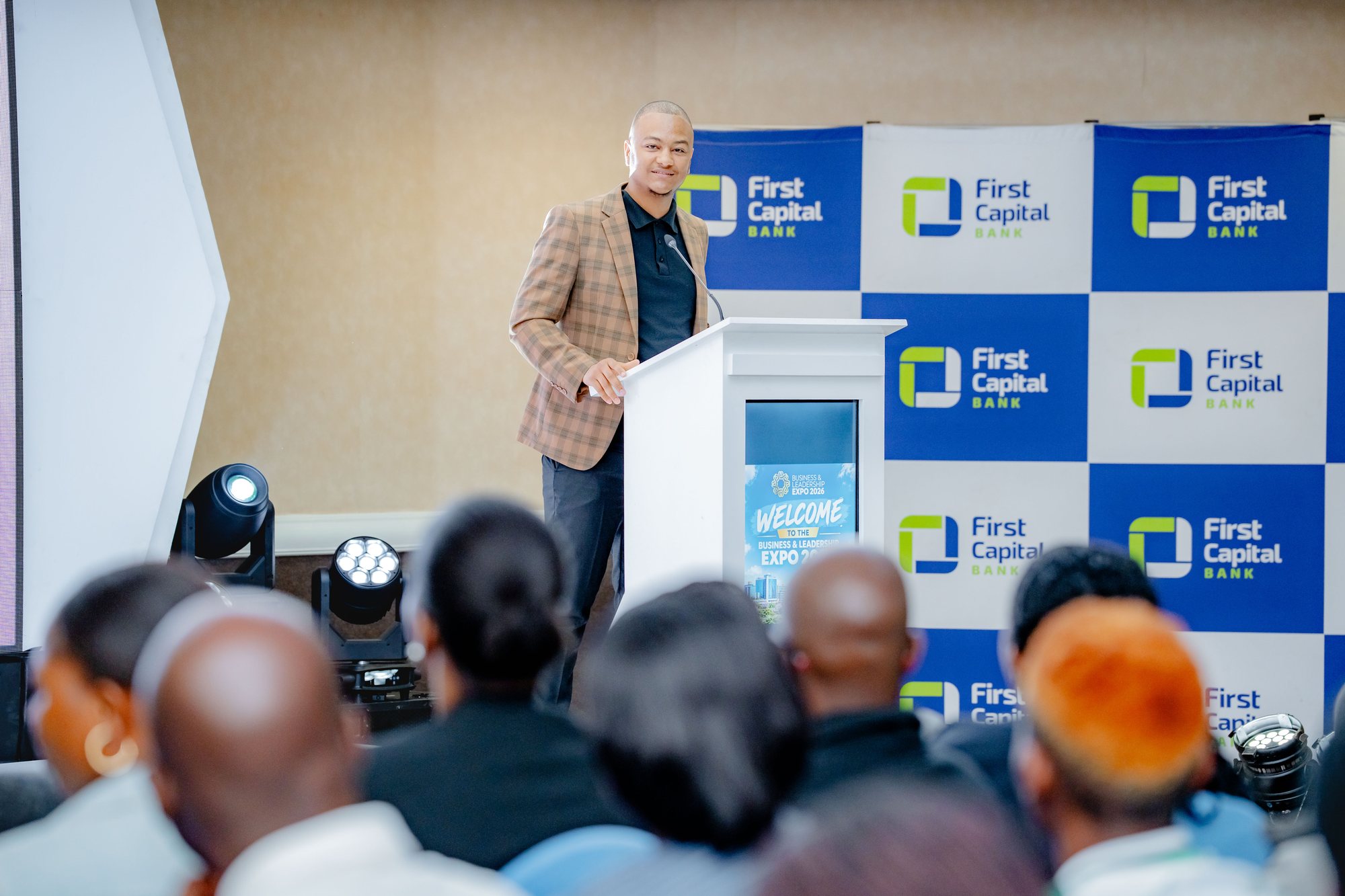
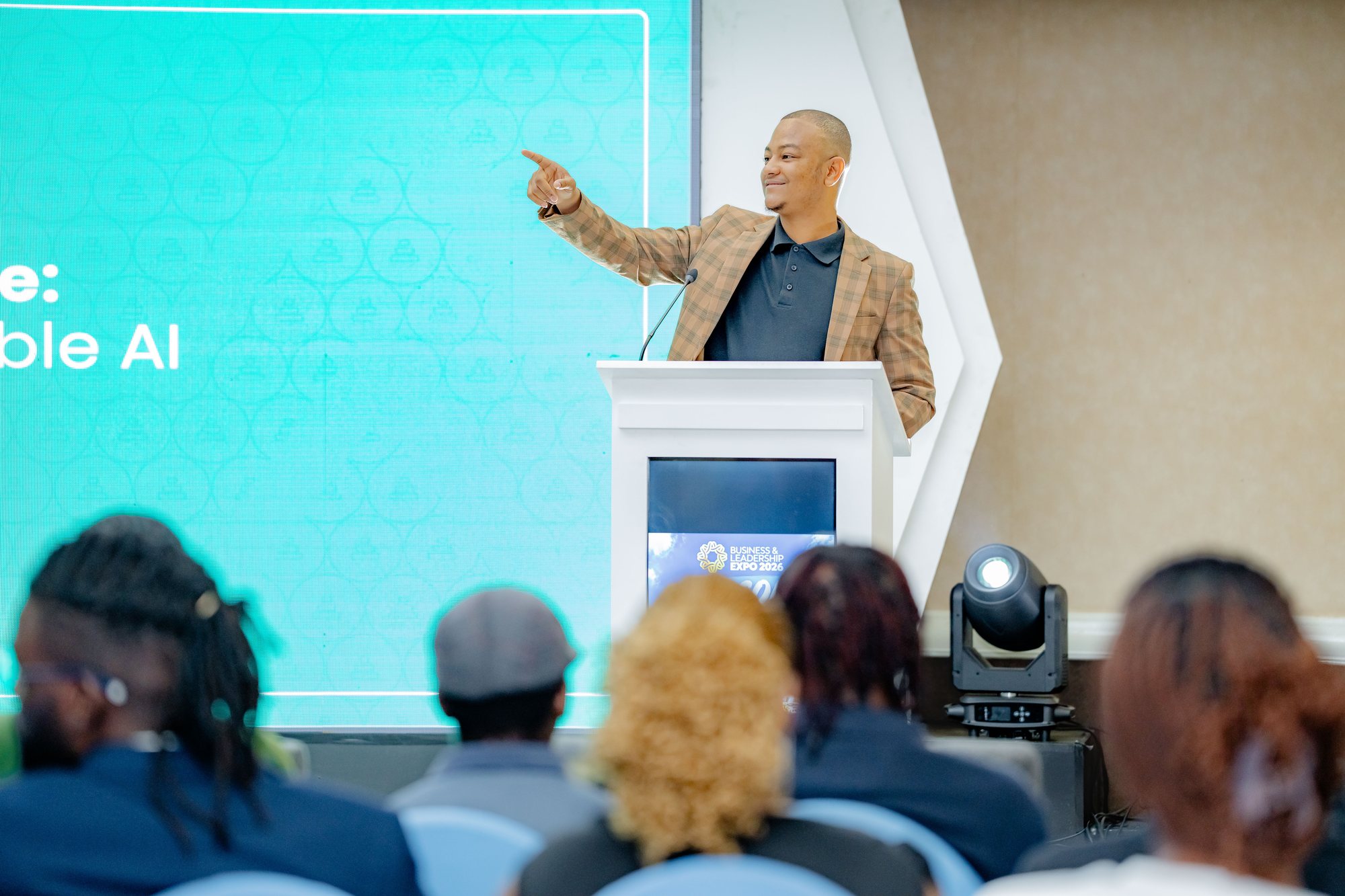
He had first given the same talk in August, when he opened the Northern Edition. The next day, he came back to moderate a panel on building strong brands in the digital economy.
A law and a toolset, arriving together
The timing is what makes the subject urgent, because two things have arrived together. First, the Act came into force in 2025. It sets real duties for any business that handles personal data, whether or not anyone there has read it. At the same time, AI tools have made it easier than ever to do the wrong thing with that data. As a result, in most rooms he speaks in, the tools came first and the questions have not caught up.
The floor and the ceiling
His argument fitted in one line: compliance is the floor, trust is the ceiling. Compliance is the minimum the law will accept. Trust, on the other hand, is the reason a customer hands over their details in the first place. “Most businesses are still arguing about the floor,” he wrote after the event, “while their competitors are already building on the ceiling.”
Five checks before you scale
He did not leave it as a slogan, though. Instead, he gave the room five checks that any marketer can run this week, before scaling an AI tool. Each one is really a question:
- Purpose first. What is this data for, and does the tool need it for that?
- Consent as user experience. Does the customer actually understand what they are agreeing to, at the moment they agree?
- Minimise and localise. Is the tool collecting more than it needs, and where does that data end up?
- Explainability. Could you explain to a customer why the tool made a decision about them?
- A human in the loop. Who checks the output before it reaches a customer?
“None of it needs a legal degree,” he wrote. “It needs actually asking the questions most of us skip.”
Sharper than a checklist
However, the part of the talk that went furthest came from a colleague. Themba Moyo, known as The Deaf Designer, has researched the same Act. That research found something Kabelo called sharper than a checklist: five vulnerabilities the law is actually there to protect people against. Specifically, they are access, knowledge, capacity, dependency and uncertainty.
The shift matters because it changes the question. A checklist asks what a business has to do. In contrast, Moyo’s list asks who is exposed when it does not, and why. “Worth sitting with,” Kabelo wrote, “whatever business you’re in.”
Why Maverick Kabelo was the one asking
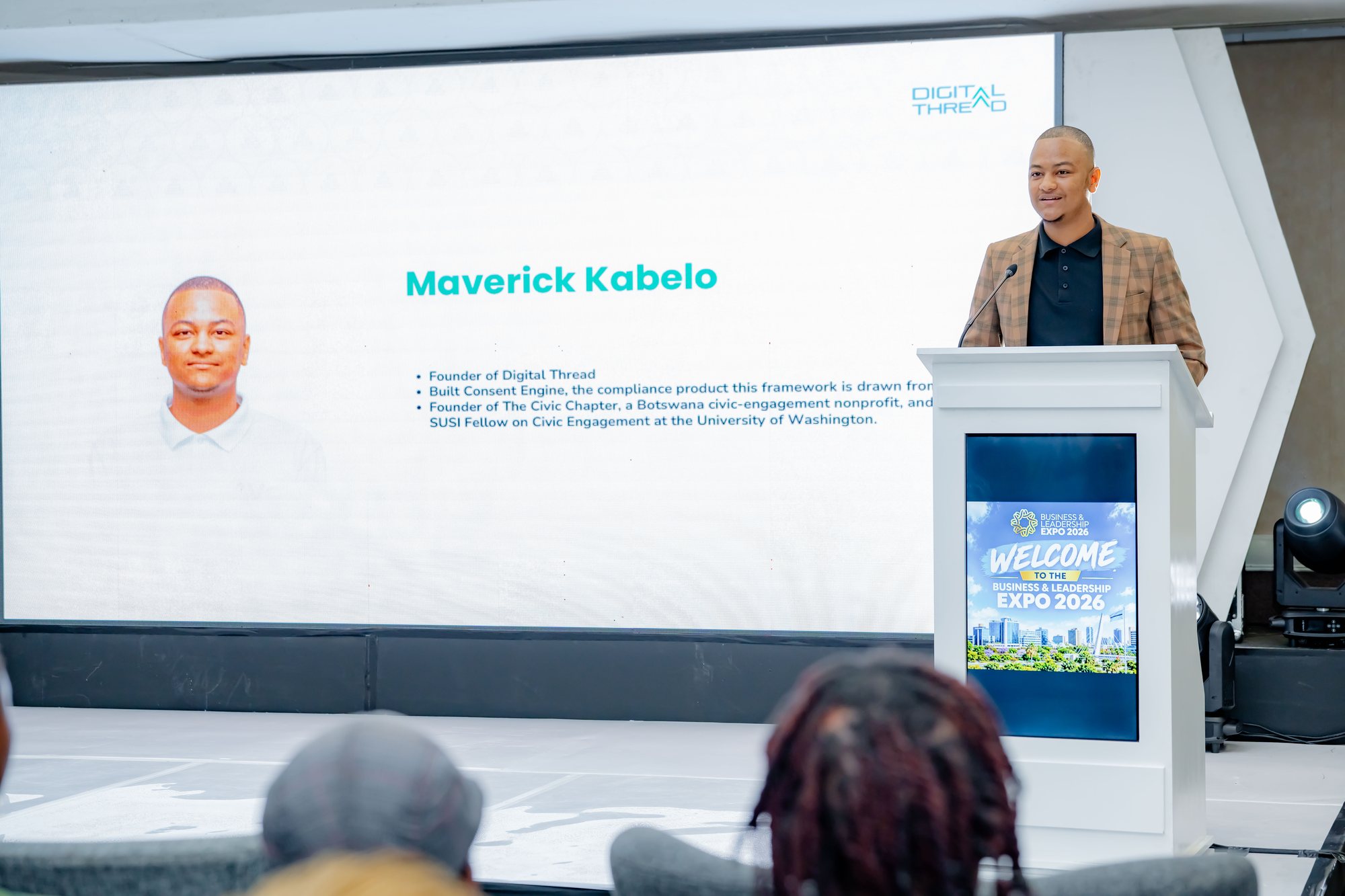
The slide behind him at the lectern explained why he was the person giving this talk. It listed three lines. Founder of Digital Thread. Built the Consent Engine, the compliance product the framework was drawn from. Founder of The Civic Chapter, a Botswana civic-engagement nonprofit, and SUSI Fellow on Civic Engagement at the University of Washington.
The middle line is the one that counts here. Through Digital Thread he has done Data Protection Act compliance work for clients. The Digital Consent Engine exists because of that work. It is a tool for collecting, recording and managing customer consent, with an audit trail. Therefore, when he tells marketers to treat consent as user experience, he is describing something he has had to build.
Afterwards
He thanked the Expo’s chief organiser, Mokgethi Ramolelekwane, for the platform, as well as everyone who stayed for questions. Still, his own summary of what the talk was for is the best one. “If any of this made you wonder what’s actually happening in your own marketing stack, that was the whole point.”
Photos and his notes from the day are on his write-up of the talk. Maverick Kabelo speaks and takes bookings at maverickkabelo.co.bw, and Digital Thread’s services are at digitalthread.online.
Africa’s Very Own Magazine is a publication of Digital Thread Proprietary Limited.

Caron M. Moloi, is the Editor-in-Chief of Africa’s Very Own Magazine. Caron is a young editor born and raised in Francistown. She is currently a student at the University of Botswana. The Editor describes herself as a self-motivated person, because she believes that everything we do begins in our minds. According to her, a positive mindset yields positive results. One of her favourites quotes is by Dr Wayne W. Dyer: "My goal is not to be better than anyone else, but to be better than I used to be."
You might also like
View all → Commentary
Adopting and adapting as AI changes the industry norm
2023 started off with somewhat of a bang!
 Tracy Moodley2 Feb 20232 min read
 Graphic Design
Q&A with the deaf designer
Who are you and what do you do?I now find the question “Who are you” deeply philosophical!
 Maverick Kabelo26 Jun 202011 min read
 Fashion
Faith Atelier’s fashionable attire
Faith Mabandi is the director and founder of Faith Atelier, which she established in South Africa, in 2014.
 Palesa Morailane3 Jul 20237 min read